How to Maintain Your Industrial Air Compressor for Optimal Performance?
Also, make it a strict priority to regularly inspect the drive belts, structural fittings, and high-pressure hoses on your industrial air compressors for any micro-fractures, structural weakening, or signs of wear and tear. If you notice even minor cracks, surface fraying, or localized thinning during your walk-throughs, you must replace those components immediately. Catching these small vulnerabilities early prevents catastrophic blowouts, unexpected pressure drops, and costly emergency downtime in the future. Along with hose checks, it is absolutely vital to routinely drain the accumulated moisture from the heavy-duty air storage tank. As warm air cools inside the tank, condensation naturally forms; if left unchecked, this stagnant water pools along the bottom, sparking internal oxidation and rust that can permanently degrade your equipment's structural integrity. Developing a disciplined operational habit to drain the tank daily—or installing automatic drain valves—ensures your compressed air solutions consistently deliver clean, dry air downstream to your delicate tools. Additionally, keep the surrounding physical environment where the machine is situated completely clean, well-ventilated, and free of airborne debris. Eliminating ambient dust and floor clutter lets the cooling fans draw in clean air easily, which prevents overheating and keeps the entire system working much better. If your facility requires this same heavy-duty performance across multiple scattered work zones, consider investing in the portable systems engineered by GASFlow. These mobile units are specifically built to provide exceptional maneuverability and rugged durability without sacrificing output, bringing unmatched versatility and streamlined efficiency across all your specialized energy-efficient compressors.
 EN
EN

 7.5kw-160kw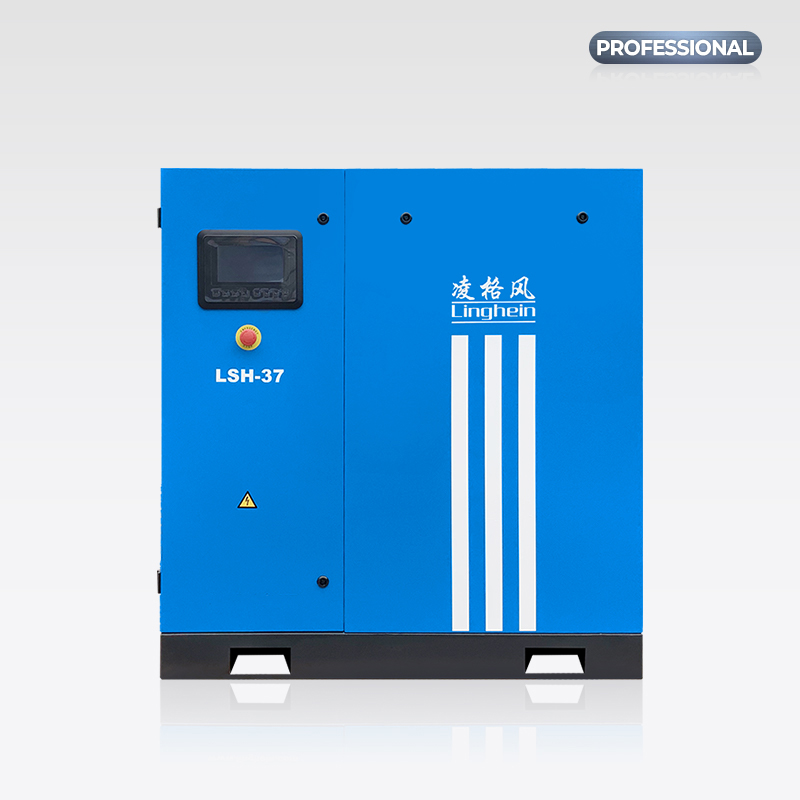
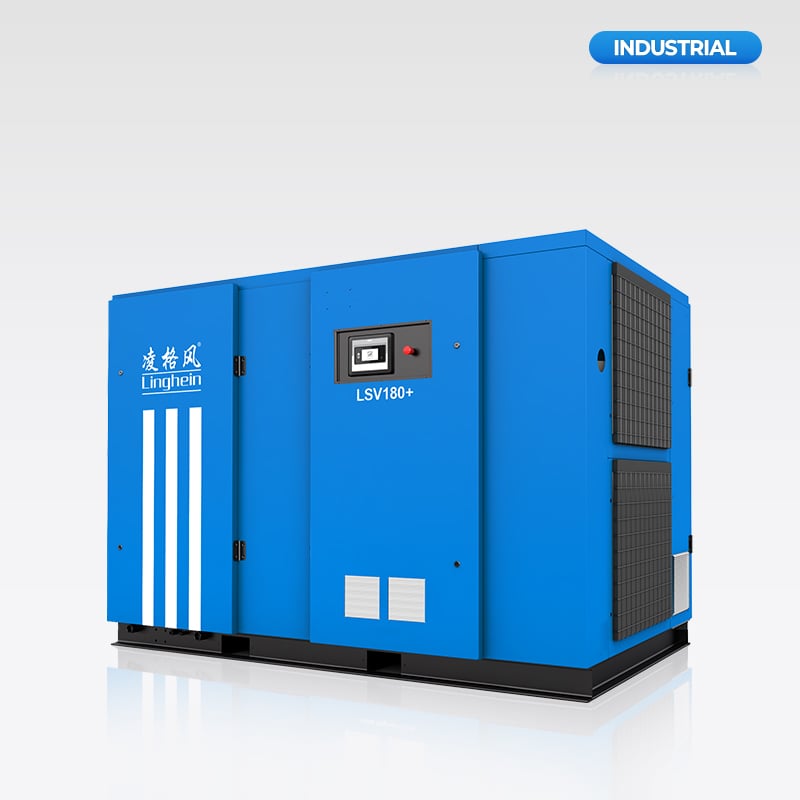 90kw-355kw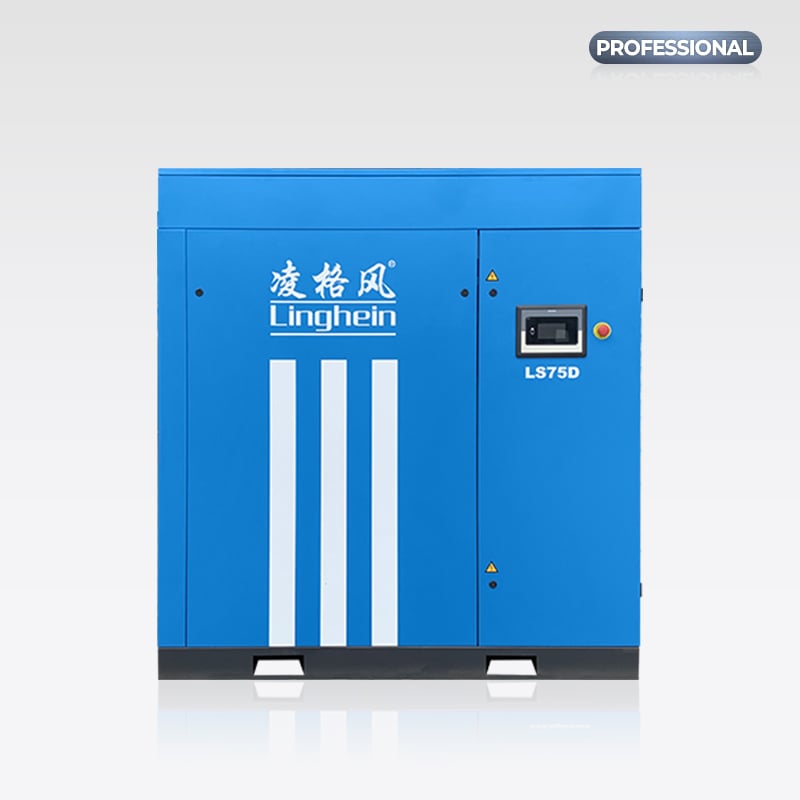
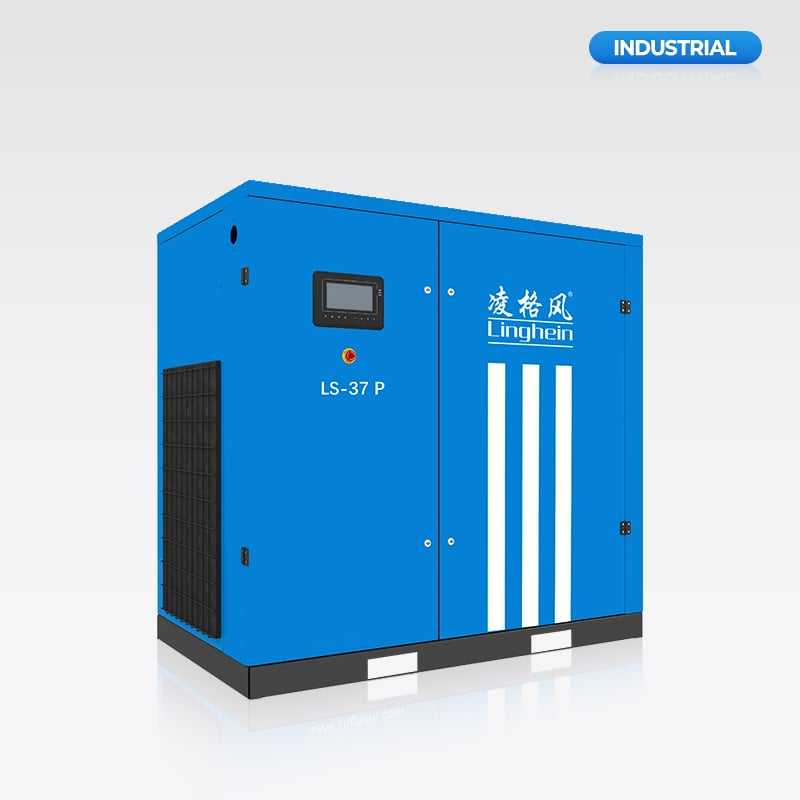 30-75kw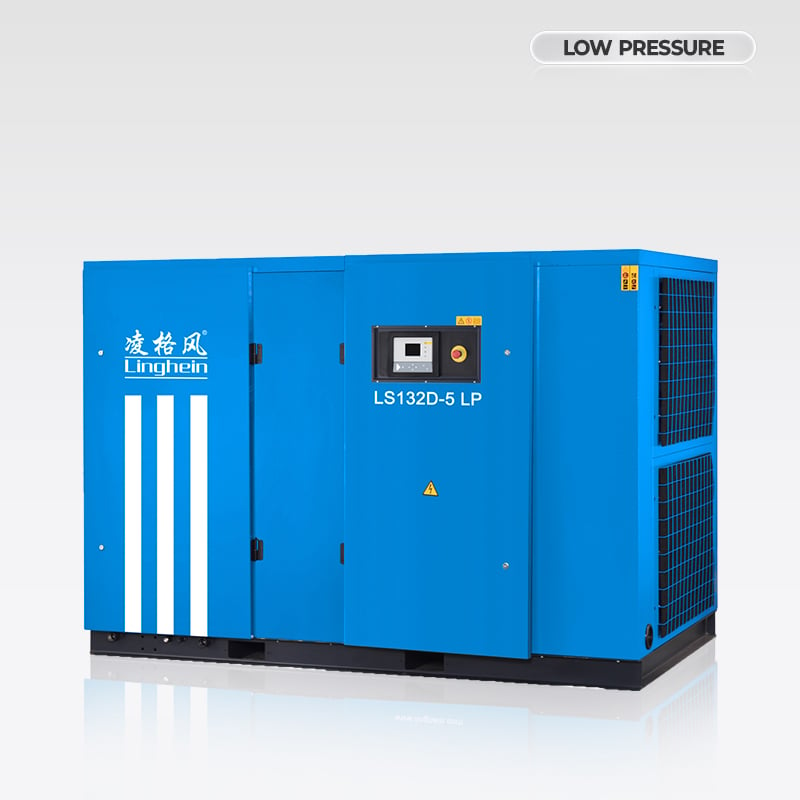
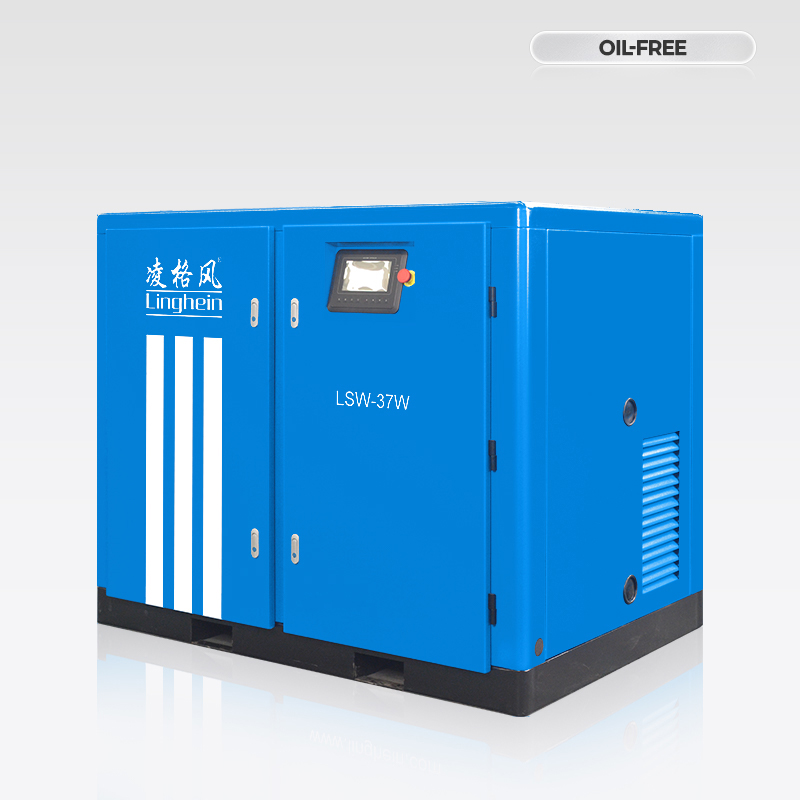 7.5-55kw