Choosing the Right Air Tank Compressor for Your Needs

application/air-tank-compressor, application/air-tank-compressor, 
Inquiry
Inquiry

Air tank compressor

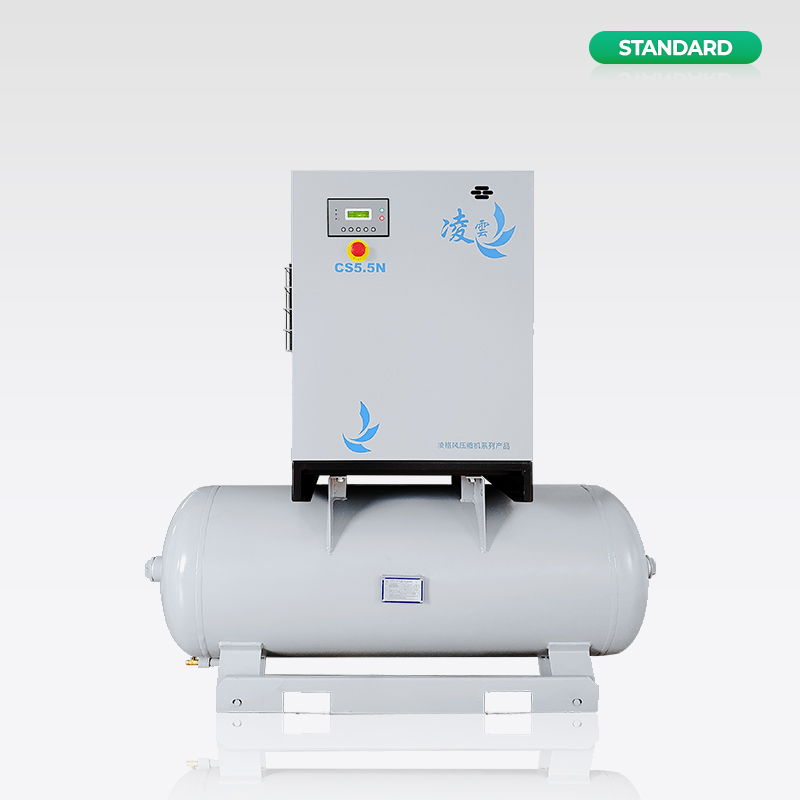
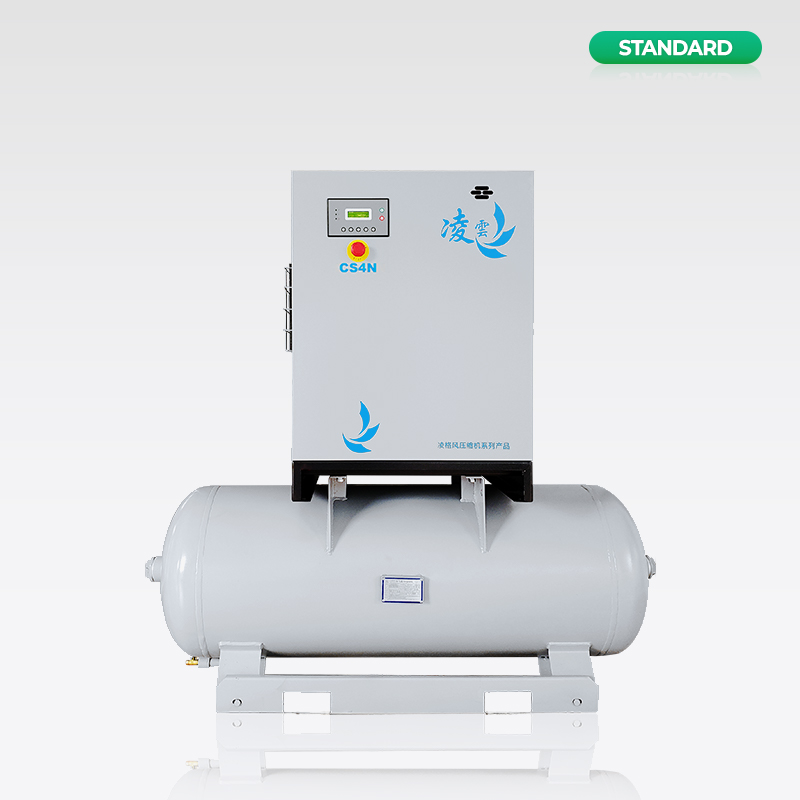
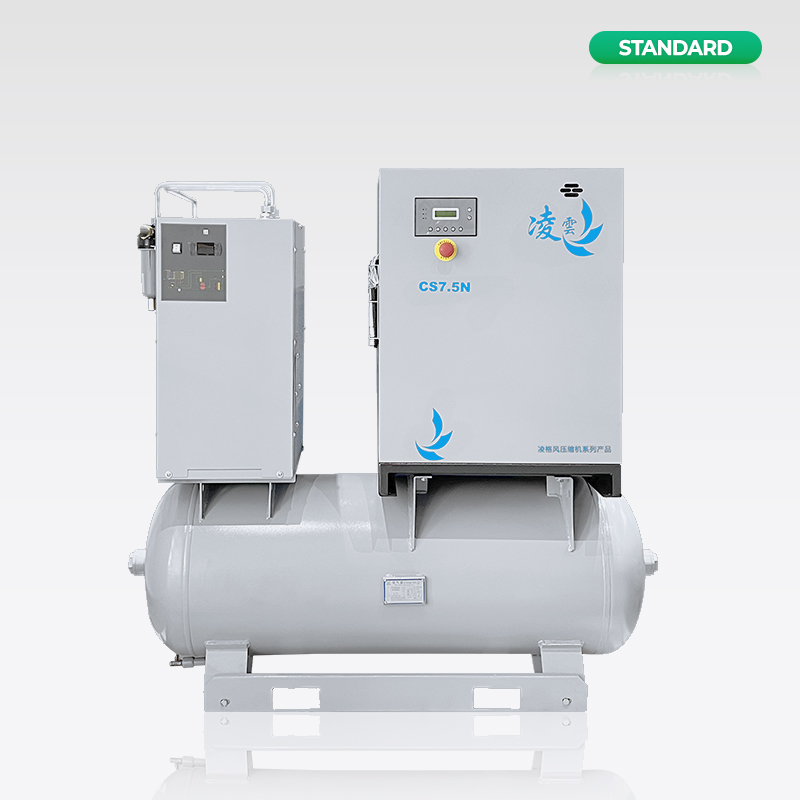
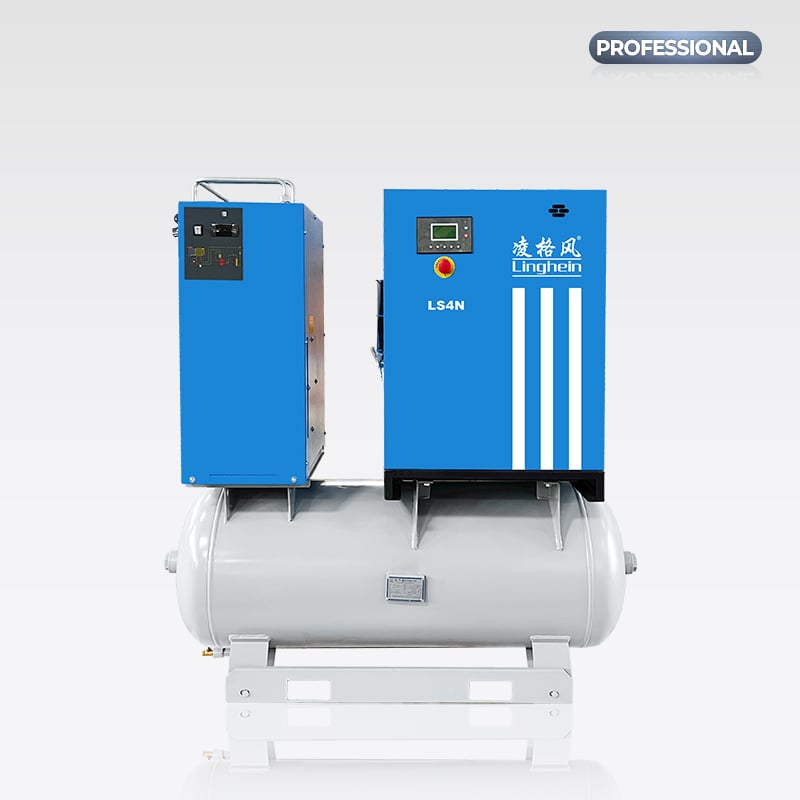
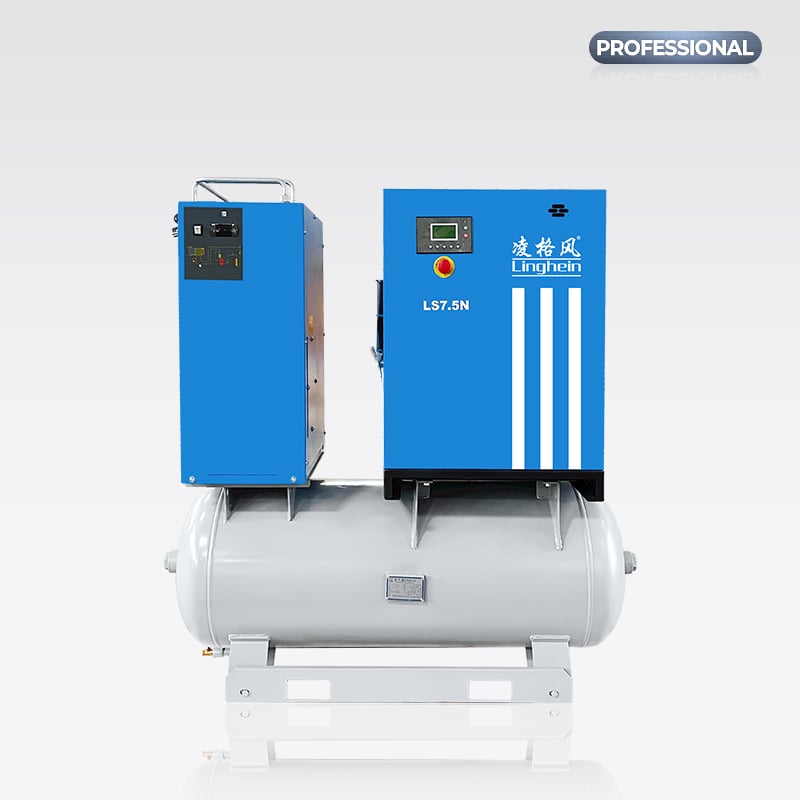
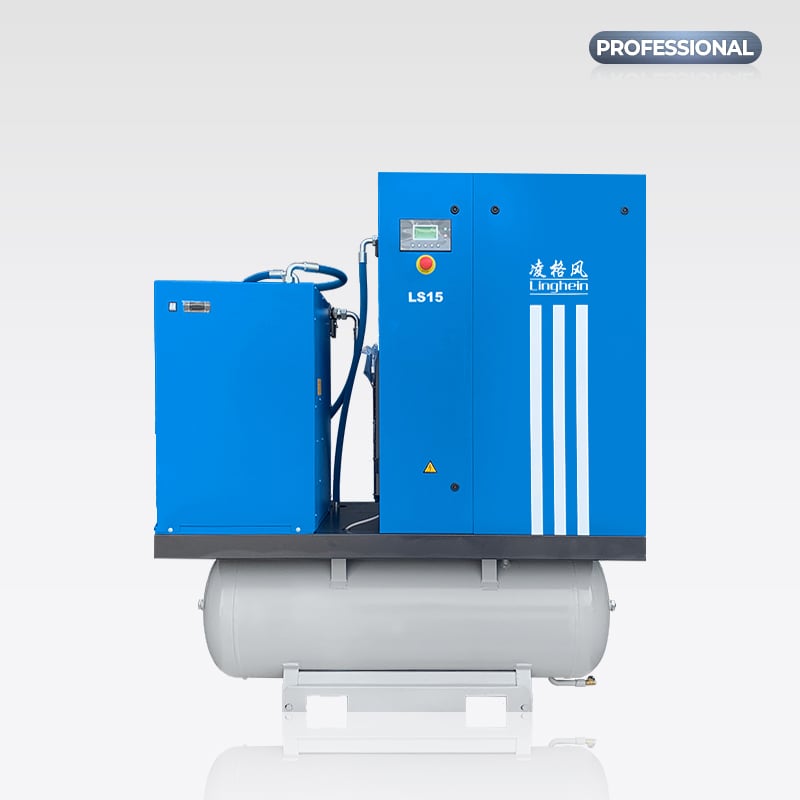
Choosing the right air tank compressor is crucial for any industrial application, as it directly impacts efficiency and productivity. An air tank compressor stores compressed air for various uses, such as powering pneumatic tools, operating machinery, or providing a stable supply of air compressor for production processes. This article will guide B2B buyers—such as purchasing managers, engineers, and distributors—through the essential factors to consider, specifications to evaluate, sourcing options, installation guidelines, and the significance of informed purchasing decisions.

Key Specifications of Air Tank Compressors for Wholesale Buyers

Wholesale buyers must pay close attention to several critical specifications when evaluating air tank compressors. These include: 

Tank Size: The tank capacity, typically measured in gallons, determines how much compressed air can be stored. A larger tank allows for longer use without the need for frequent cycling, which is beneficial for high-demand applications. 

Motor Power: The motor's horsepower (HP) rating indicates the compressor's capability to generate pressure. Ensure that the motor power aligns with your application needs, as underpowered compressors may struggle to meet demand. 

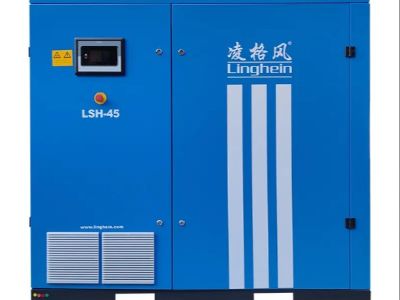
Compressor Type: Different types of air tank compressors exist, including reciprocating and rotary screw compressors. Rotary screw compressors, like those offered by GASFlow, are often preferred for their reliability and efficiency in continuous operation. 

Noise Level: Consider the noise generated by the compressor, especially if it will be installed in a workplace. Look for models designed for quieter operation if noise is a concern. 

Portability: Depending on your operational needs, you may require a stationary or portable air tank compressors. Portable models are advantageous for job sites that require mobility. 

Control Systems: Advanced control systems, such as variable speed drives, can optimize performance and energy consumption. These features help adapt the compressor’s output to fluctuating demand.

Where to Source Reliable Air Tank Compressors for Your Projects

Sourcing reliable air tank compressors involves identifying reputable manufacturers and suppliers. Start by researching manufacturers with a strong reputation in the industry, such as GASFlow, which is known for its ISO-certified production and energy-efficient solutions. 

When sourcing, consider the following: 

Supplier Track Record: Look for suppliers with a proven history of delivering quality products and support. Check customer reviews and case studies to gauge reliability. 

Technical Support: Ensure the manufacturer offers comprehensive technical support, including installation guidance and troubleshooting assistance. Locally available service can be a significant advantage. 

Customization Options: Depending on your specific needs, you may require custom solutions. Discuss customization capabilities with potential suppliers to find a model that fits your operational requirements perfectly. 

Lead Time: Inquire about lead times for orders, especially if your project timeline is tight. Reliable suppliers should provide clear timelines and communicate any potential delays. 

Pricing and MOQ: Understand the pricing structure and minimum order quantities (MOQ) from different suppliers. Compare offers to ensure you get the best value without compromising on quality. 

Installation Guidelines for Efficient Use of Air Tank Compressors

Proper installation is critical for the efficient operation of air tank compressors. Here are key guidelines to follow: 

Location: Place the air tank compressors in a well-ventilated area to avoid overheating. Ensure it is away from direct sunlight and moisture to prolong its lifespan. 

Foundation: The air tank compressors should be installed on a solid, level surface to minimize vibration. Vibrations can lead to premature wear and noise issues. 

Piping: Use appropriate piping to connect the air tank compressors to your tools. Ensure that the piping is adequately sized to avoid pressure drops. Insulate exposed pipes to prevent temperature variations. 

Electrical Connections: Ensure all electrical connections comply with local codes and are handled by a qualified electrician. Incorrect wiring can lead to safety hazards and equipment failure. 

Regular Maintenance: Establish a maintenance schedule to check oil levels, filter cleanliness, and overall system integrity. Regular maintenance is critical for ensuring long-term performance and avoiding unexpected downtime.

Why It Matters for Air Tank Compressor Purchases

Understanding the significance of informed purchasing decisions is essential for maximizing the return on investment in air tank compressors. Choosing the right air tank compressors affects operational efficiency, energy costs, and productivity levels. A well-suited air tank compressors can enhance workflow, reduce downtime, and improve the quality of output in industrial applications. 

Moreover, the upfront costs of air tank compressors should be evaluated against their total cost of ownership, including energy consumption, maintenance, and potential repair costs. Selecting a high-quality, reliable air tank compressors from a reputable manufacturer like our brand can provide long-term benefits and peace of mind. 

making informed decisions regarding air tank compressors can significantly impact your operational efficiency and cost-effectiveness. By considering the factors outlined, B2B buyers can ensure they select the right small air compressor for their specific needs, leading to improved productivity and lower overall costs. 

What to Consider When Choosing an Air Tank Compressor for Your Needs

When selecting an air tank compressor, consider the specific requirements of your application. Key factors include the required air pressure, volume demand, and the nature of the tasks being performed. First, evaluate the pressure needs, as not all compressors deliver the same PSI (pounds per square inch). For heavy-duty applications, a higher PSI rating may be necessary, while light-duty tasks can function efficiently at lower pressures. 

Next, assess the air flow rate, typically measured in CFM (cubic feet per minute). This specification indicates how much air the compressor can deliver within a given time frame. Make sure to match the CFM rating to your tools and machinery requirements; insufficient airflow can lead to decreased performance and potential equipment damage. 

Also, consider the environment in which the airbrush compressor will operate. Factors such as temperature extremes, humidity, and exposure to contaminants can affect compressor performance and longevity. Buyers should also evaluate energy efficiency, as compressors can contribute significantly to operational costs. Selecting an energy-efficient model, such as those from GASFlow, can lead to long-term savings.

Frequently Asked Questions

What is the air tank compressor used for?

Our air tank compressor stores and supplies stable compressed air for industrial machinery, tools, and processes requiring consistent pressure and flow.
We offer multiple tank capacities and pressure ratings to match industrial needs; consult our specifications or contact local support for tailored options.
Designed with advanced R&D and lean manufacturing, the compressor delivers energy-efficient performance to reduce operating costs.
Regular checks include drain valves, filters, belts, and oil levels. Follow the service schedule provided; local technical support can assist with maintenance plans.
We provide warranty coverage, global technical support, and local service networks to ensure reliable operation and prompt assistance.

Our Blog Posts

Energy saving tips for your air compressor

25

Jun

Energy saving tips for your air compressor

Using an air compressor can help with many tasks, but it can also consume a significant amount of energy. Whether you use an air compressor for manufacturing, automotive work, construction, or general industrial operations, reducing energy consumptio...
View More
Measuring Air Compressor Performance to Ensure Efficiency

25

Jun

Measuring Air Compressor Performance to Ensure Efficiency

Air compressors are important machines used in many industries. They help power tools, move materials, and keep factories running smoothly. Understanding air compressor performance is essential for ensuring reliable operation and reducing energy cost...
View More
Linghein Screw Air Compressor Review: Why Choose Linghein As Your Compressor Manufacturer

29

Jun

Linghein Screw Air Compressor Review: Why Choose Linghein As Your Compressor Manufacturer

Linghein screw air compressors are known for their strong performance and reliability. When it comes to picking a compressor, many people find it hard to choose the best one for their needs. But Linghein makes it easier. Their compressors help indust...
View More
How To Calculate Required CFM For Your Industrial Rotary Screw Air Compressor System

30

Jun

How To Calculate Required CFM For Your Industrial Rotary Screw Air Compressor System

Knowing how to calculate the required CFM (Cubic Feet per Minute) for your industrial rotary screw air compressor system is very important. CFM measures how much air your compressor can deliver. It helps you choose the right compressor for your needs...
View More

Get a Free Quote

Our representative will contact you soon.
0/1000