Air Compressors for the Food Industry

, , 
Inquiry
Inquiry

air compressor for food industry

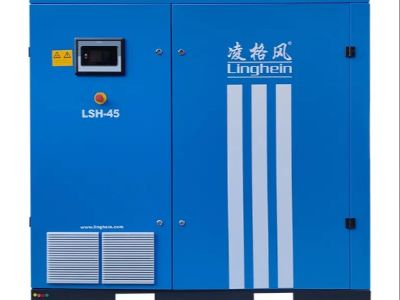
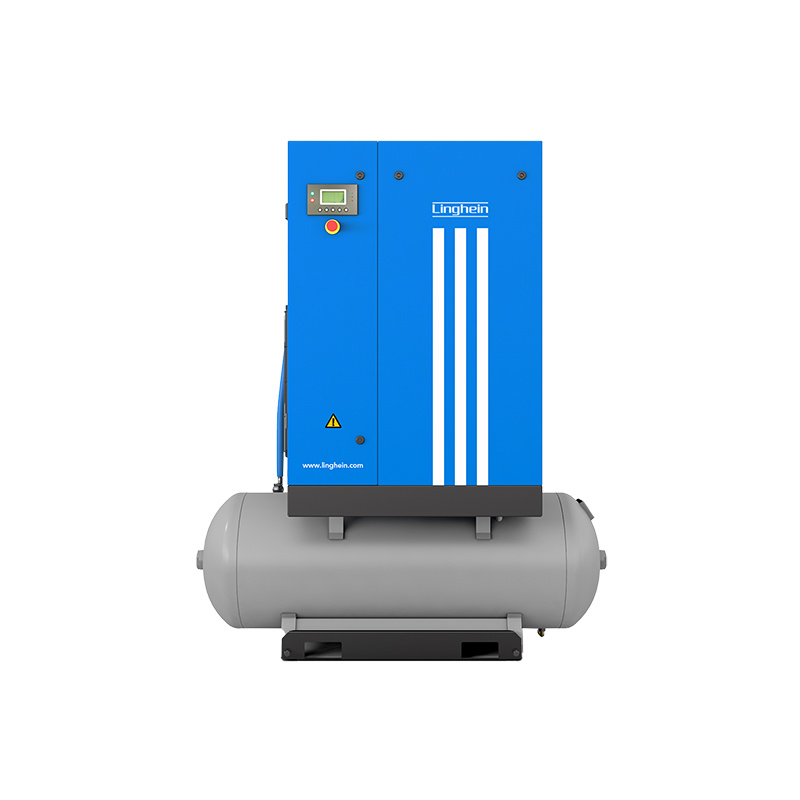
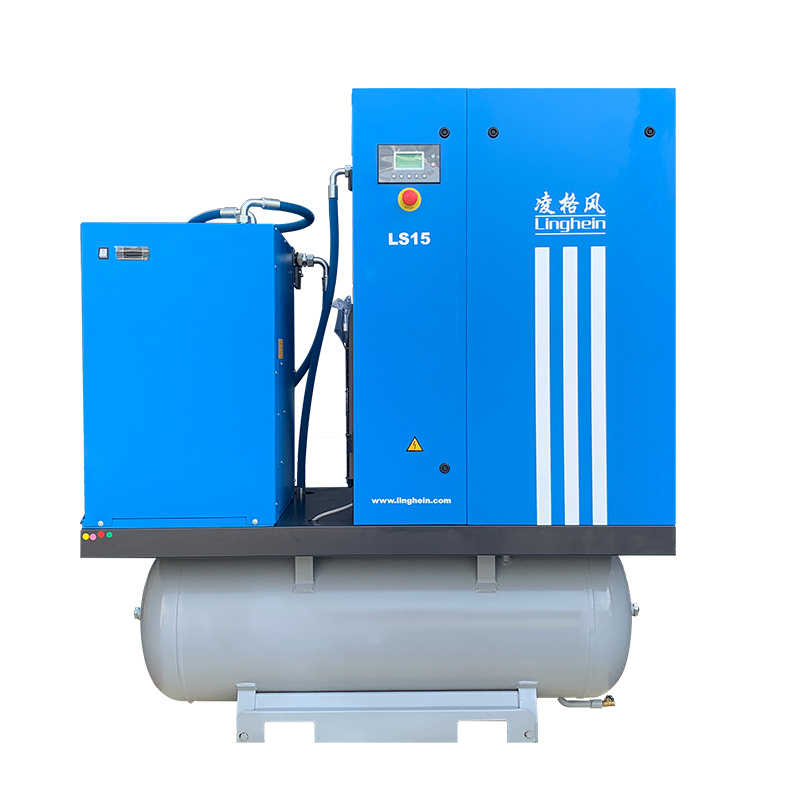
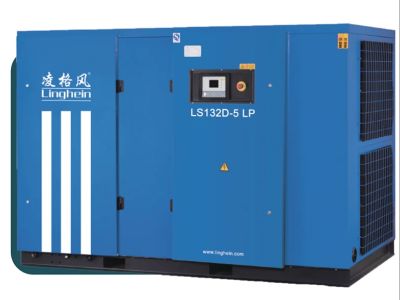
In  the food industry, air compressors are very important.  They help in many ways, like packaging food,  mixing ingredients, and cleaning machines. Without  air compressors, it would be hard to keep up with the demands of food production. At  GASFlow, we know  how vital these machines are for businesses that focus on  food. That's  why we  design and  make reliable air compressors that  meet  the  needs  of food manufacturers. Our compressors are built  to last and offer the power  needed for various tasks  in  the food industry. Understanding how  to pick the right air compressor can make a big difference in efficiency  and safety. For example, using a proper air tank can enhance the performance of your compressor.

Why choose GASFlow air compressor for food industry

Our Products

How to Choose the Best Air Compressor for Food Processing Applications

When choosing  an air compressor for food processing, there are several things to think about. First,  you need to know the type  of work your compressor will do. Will it be used for packaging, cleaning, or mixing? Each job might need different power levels. For instance,  if you're packaging snacks, you might  need a compressor that can run continuously without breaking down. Second, check the compressor's size. A small  one might be enough for a  small bakery, but  a big factory will need a larger  compressor. It's also important to look at the compressor's energy  efficiency. This can save money on  electric bills over  time. Additionally, consider  how easy it  is  to  maintain. Some compressors require more upkeep than others. At GASFlow, we provide machines that are user-friendly and easy to maintain. For more information on maintenance, check our After Treatment & Spare Parts section. Finally, make sure the compressor meets food safety standards. This is vital to keep the food safe for consumers. Always check if  the compressor is  made with  materials that can handle high pressure  and are safe for food contact.

Frequently Asked Questions

Our Blog Posts

What Our Partners Say

Where to Buy High-Quality Air Compressors for Food Manufacturing

Where to Buy High-Quality Air Compressors for Food Manufacturing

If you’re looking to buy high-quality air  compressors for food manufacturing, GASFlow is a great place to  start. We offer a variety of compressors that can suit different needs. You can visit our website to see the options we have. It is important to choose a trusted supplier. When you buy from  reputable companies like  GASFlow, you can be sure that you are getting  reliable equipment. We have a team ready  to  help you find the best compressor  for your  business. You can ask questions about features  and  get advice based on your needs. Also,  consider reading reviews from other customers. Their experiences can help you decide which compressor is right for you. We pride ourselves on customer satisfaction and will  guide  you  through the buying  process. Whether you are a small bakery or a large food factory, we have the right compressor that can help your business  grow. Our  goal is to ensure you  find  the perfect fit for your food processing needs. Our selection includes options like Screw Air Compressors designed specifically for demanding environments.

What Are Common Issues When Using Air Compressors in Food Production?

What Are Common Issues When Using Air Compressors in Food Production?

Air compressors are important machines in the  food industry. They help with  many  tasks, like packaging food and cleaning equipment. However, there can be some problems when using air compressors in food production. One common issue  is that air compressors can create moisture. When air is compressed, it can hold water. This water can mix with food or equipment,  which can make food unsafe to  eat. Another problem is dirt or  oil that might come from the compressor itself. If these materials get into the air and touch food, they can make people sick. It is very  important for  food companies to keep their  air compressors clean and to check them often. A third issue is noise. Air compressors can  be loud, which can make it hard for workers to communicate.  This  can lead to mistakes, which can be dangerous in a food production area. It  is crucial that food companies find  ways to reduce the noise from their air compressors. For example,  they  can put soundproofing around the machines or use quieter models. Lastly, sometimes air compressors can break down. This can cause delays in production, which can  hurt business. To prevent  this, companies should have regular maintenance checks. By taking care of their air  compressors, they can avoid these problems and keep their food production running smoothly.

How to Ensure Food Safety with Compressed Air Quality Standards

How to Ensure Food Safety with Compressed Air Quality Standards

When using air compressors in the food industry, safety is very important. Compressed air can carry  dirt, oil, and other bad things that can get into food. To make sure  food is safe, companies need to follow certain air quality standards.  One  way to ensure safety is by using filters. Filters can catch dirt and oil before the air touches the food or equipment.  It is  important to choose  the right filters for the job. Companies should also check their filters often to make sure they are working  well. Another  way to keep food safe is  to  dry the air before it goes  into the production area. This can help  take out any moisture that could mix with food. Having a good drying system  is key to making sure the air is safe. Training workers is also very  important. They need to know how to use air compressors properly and  understand how to keep everything clean. Regular checks on the air quality are a must. Companies  should  test their compressed air to make sure it meets safety standards. If they find any problems, they need to  fix them  right away. By following these steps, food companies can keep their products safe and healthy for consumers.