Selecting Low Pressure Screw Air Compressors

application/low-pressure-screw-air-compressor, application/low-pressure-screw-air-compressor, 
Inquiry
Inquiry

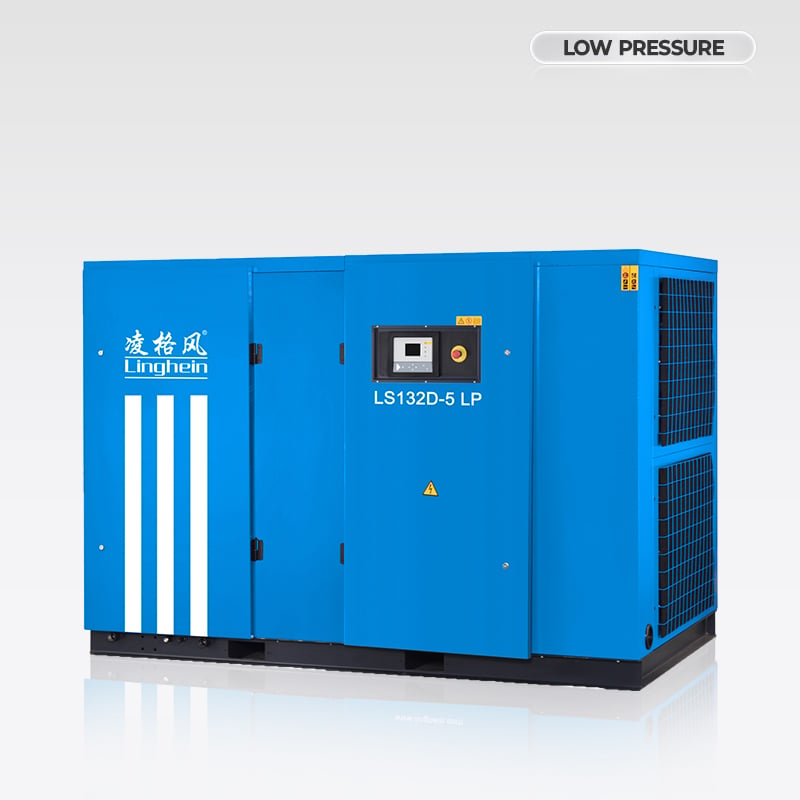
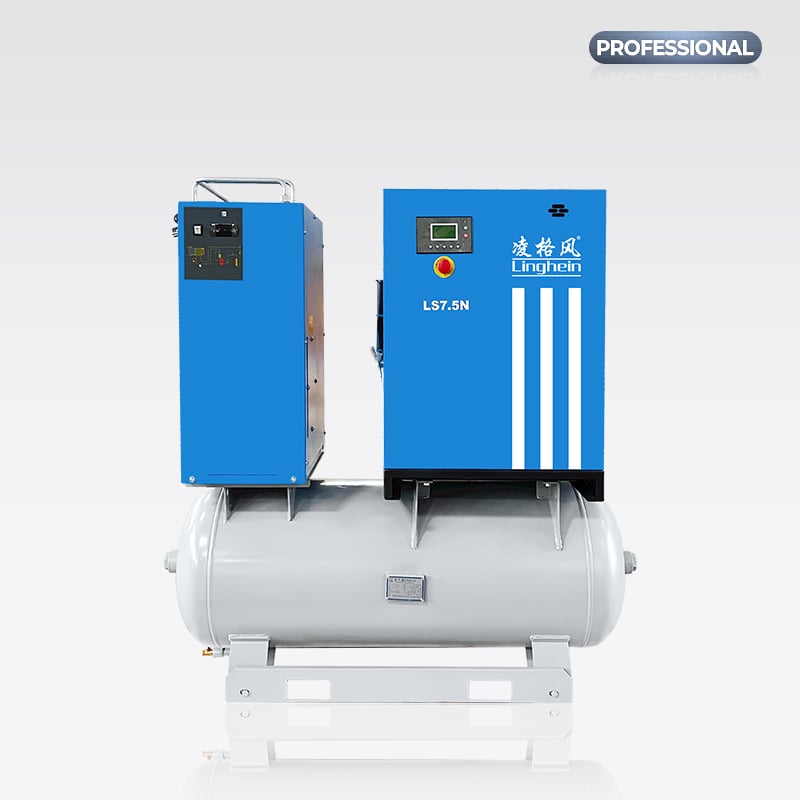
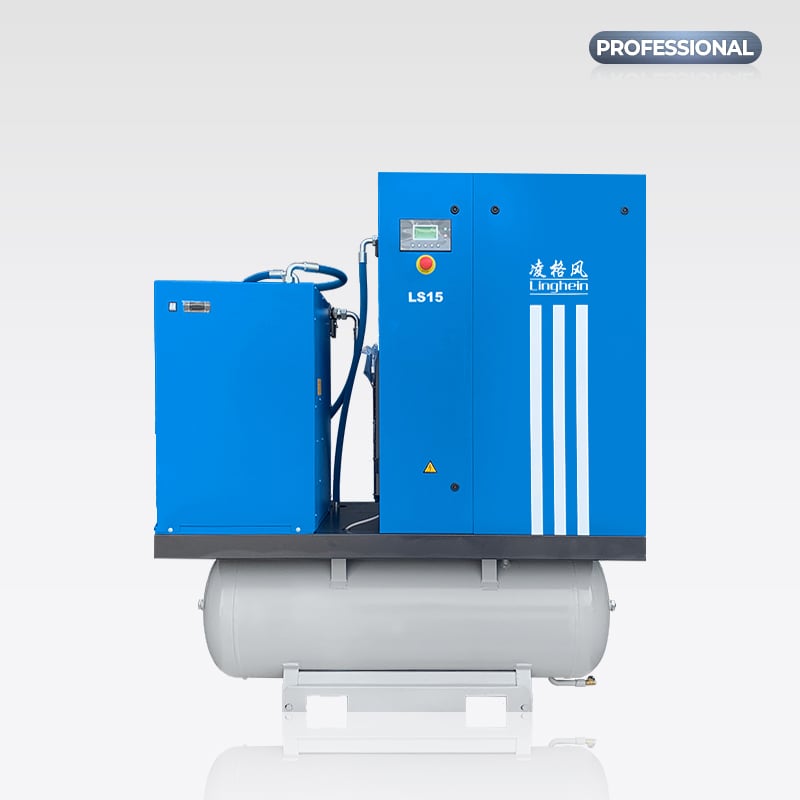
Low pressure screw air compressor

Low pressure screw air compressors are vital components in various industrial applications, offering a reliable source of compressed air with energy efficiency. Buyers looking for these compressors often have concerns regarding performance specifications, supplier reliability, and the specific applications they are suited for. This article will provide detailed insights into the key specifications to evaluate when selecting a low pressure screw air compressor, reliable suppliers, industry applications, material advantages, and essential considerations for buyers. 

Reliable Suppliers of Low Pressure Screw Air Compressors

Choosing a reliable supplier is crucial for securing quality low pressure screw air compressors. Look for manufacturers with a proven track record in the industry, such as those who are ISO-certified and demonstrate a commitment to lean manufacturing practices. 

Technical Support: Opt for suppliers that offer comprehensive technical support and training services. This is important for troubleshooting and ensuring optimal operation. 

Warranty and Service Options: A reputable supplier will provide clear warranty terms and service options. This not only assures quality but also indicates the manufacturer's confidence in their product.  

Customization Capabilities: Some applications may require customized compressors. Evaluate suppliers who can tailor their products to meet specific performance or environmental needs. 

Global Presence and Local Support: Suppliers with a global footprint and local service teams can provide better support and timely service, ensuring that any issues are resolved quickly. 

By focusing on these aspects, buyers can make informed decisions and establish long-term partnerships with reputable suppliers. 

Applications of Low Pressure Screw Air Compressors in Various Industries

Low pressure screw air compressors are widely used across different industries, including: 

Food and Beverage: In this sector, compressed air is used for packaging, bottling, and conveying products. It is crucial that the compressors meet stringent hygiene standards, making reliable performance essential. 

Textiles: The textile industry utilizes compressed air for processes such as dyeing, cutting, and sewing. Low pressure systems can provide the precise airflow needed for these applications without damaging delicate fabrics. 

Manufacturing: Many manufacturing processes rely on compressed air for powering pneumatic tools, material handling, and assembly lines. A reliable compressor ensures smooth operations and minimizes production delays. 

Pharmaceuticals: Compliance with strict regulations is vital in this industry. Low pressure screw air compressor used here must not only deliver reliable performance but also ensure that the air is free from contaminants. 

Understanding the specific applications for low pressure screw air compressors helps buyers select the right model suited for their industry needs. 

Material Advantages of Low Pressure Screw Air Compressors Explained

The materials used in manufacturing low pressure screw air compressors significantly affect their performance and longevity. Common materials include: 

Aluminum: Lightweight and corrosion-resistant, aluminum is often used for compressor casings. It helps reduce weight while maintaining durability, essential for mobile or compact installations. 

Cast Iron: Known for its strength and stability, cast iron is typically used for components that require high durability, such as the compressor housing. This material can withstand high stresses and offers excellent wear resistance. 

Steel: Used in various internal components, steel provides strength and longevity. It can be treated for corrosion resistance, which is crucial in environments with moisture or chemical exposure. 

Composite Materials: Some manufacturers are adopting advanced composite materials that provide high strength-to-weight ratios and resistance to corrosion, improving the efficiency and lifespan of the compressor. 

Selecting the right materials is essential for ensuring the compressor can withstand operational demands and environmental conditions. 

What You Should Know

Before purchasing a low pressure screw air compressor, it is vital to gather all necessary information to make an informed decision: 

Confirm Specifications: Ensure that the specifications of the compressor align with your operational needs. This includes verifying pressure, airflow, and energy efficiency ratings. 

Request Samples: If possible, request samples or demonstrations of the compressor to evaluate its performance under actual operating conditions. 

Understand Pricing Factors: Pricing can vary based on customization, materials, and supplier reputation. Be clear about your budget while considering the total cost of ownership, including maintenance and energy costs. 

Lead Times and MOQ: Discuss lead times and minimum order quantities (MOQ) with suppliers to ensure that they can meet your project timelines without delays. 

Quality Inspection: Establish quality control measures, including inspections during production and before shipment, to ensure the compressor meets your specifications. 

Taking these steps will help ensure that you choose the right low pressure screw industrial compressor, leading to better performance and efficiency in your operations. 

Key Specifications to Evaluate When Selecting a Low Pressure Screw Air Compressor

When selecting a low pressure screw air compressors, key specifications to consider include pressure range, airflow capacity, and energy efficiency ratings. 

Pressure Range: Low pressure screw compressors typically operate at pressures below 100 psi. It’s critical to ensure that the compressor you choose matches the pressure requirements of your application. Insufficient pressure can lead to inadequate performance. 

Airflow Capacity: Measured in cubic feet per minute (CFM), airflow capacity indicates the volume of air the compressor can deliver. Evaluate your operational needs and select a compressor that can provide the necessary airflow without overloading the system. 

Energy Efficiency: Energy costs can significantly impact overall operational costs. Look for compressors with high energy efficiency ratings, such as those complying with ISO standards, which can lead to substantial savings in energy consumption over time. 

Noise Levels: Consider the noise output of the compressor, especially if it will be used in noise-sensitive environments. Many manufacturers offer low noise options that can help maintain a comfortable working atmosphere. 

Reliability and Maintenance: Assess the maintenance requirements and reliability of the compressor. A model with extended maintenance intervals and robust build quality will minimize downtime and repair costs. 

By thoroughly evaluating these specifications, buyers can ensure that they select a compressor that meets their operational requirements effectively. 

Frequently Asked Questions

What is a low pressure screw air compressor?

A low pressure screw air compressor delivers continuous, stable compressed air at lower discharge pressures using twin-screw technology. It's designed for industrial processes requiring large volume, energy-efficient airflow.
Suitable for manufacturing, wastewater treatment, food processing, pneumatic conveying, and surface cleaning—any application needing reliable low-pressure compressed air.
Built with advanced R&D and optimized screw profiles, the compressor reduces energy consumption via high volumetric efficiency and variable control options to match air demand.
GASFlow provides global technical support and local service, including installation guidance, maintenance training, spare parts, and remote troubleshooting.
Follow scheduled oil and filter changes, monitor operating temperature and vibration, keep intake clean, and use authorized parts and service to ensure reliable, long-term performance.

Our Blog Posts

7 Key Benefits of Industrial Screw Air Compressor for Factory Compressed Air Supply

27

Jun

7 Key Benefits of Industrial Screw Air Compressor for Factory Compressed Air Supply

Industrial screw air compressors are important machines in many factories. They help supply compressed air, which is used in different ways. These machines are strong, reliable, and can work for a long time without problems. They help factories run s...
View More
Portable Screw Air Compressor: Best Choice For Construction & Outdoor Mining Works

30

Jun

Portable Screw Air Compressor: Best Choice For Construction & Outdoor Mining Works

Portable screw air compressor systems have become essential equipment for construction, mining, and infrastructure projects. A portable screw air compressor delivers a continuous supply of compressed air to power pneumatic tools, making demanding job...
View More
Refrigerated Air Dryer Working Principle & Daily Maintenance Guide For Factory User

04

Jul

Refrigerated Air Dryer Working Principle & Daily Maintenance Guide For Factory User

Refrigerated air dryers are important machines in many factories. They help remove moisture from compressed air. Moist air can cause problems, like rust in machinery and poor quality products. Using a refrigerated air dryer keeps the air dry, which i...
View More
Rotary Air Compressor Vs Reciprocating: How To Pick Suitable Industrial Air Compressor

15

Jul

Rotary Air Compressor Vs Reciprocating: How To Pick Suitable Industrial Air Compressor

When it comes to choosing an air compressor for your business, you might feel confused. Two popular types are rotary air compressors and reciprocating air compressors. Each has its own strengths and weaknesses. Understanding these differences is cruc...
View More

Get a Free Quote

Our representative will contact you soon.
0/1000