High-Quality Compressed Air Piping Solutions

, , 
Inquiry
Inquiry

compressed air piping

Compressed  air piping is  an important part of many industries. It  helps  move air from one  place to another so machines can work properly.  In factories, compressed air is used for many tasks. This can include powering tools,  moving  items, or even cleaning surfaces. Having good piping systems is key to making sure everything runs smoothly. Without the right pipes,  air can leak, which wastes energy and makes machines less effective. Here  at GASFlow, we know how vital it is to have a reliable compressed air piping system. Our experience in  industrial manufacturing  allows us to provide solutions that keep your operations running efficiently.

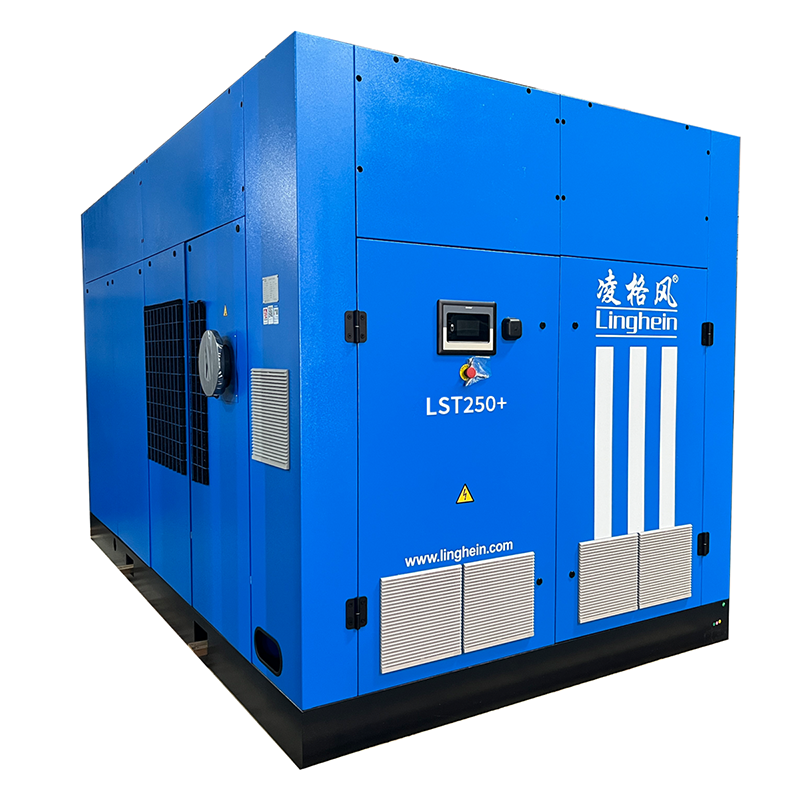
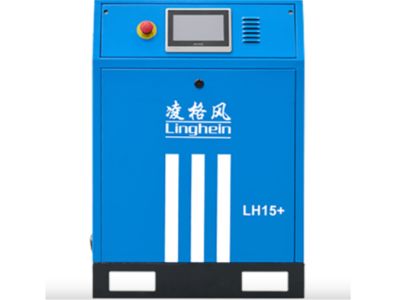
High-quality compressed air piping systems  have many benefits. First, they help save energy. When air moves through pipes that are well-made, there is less chance  for leaks. This means that all the compressed air goes  where it needs to go without wasting energy. Imagine turning on a water faucet and having water spill everywhere. That’s what  happens  with leaks in air pipes. By using high-quality pipes, you can avoid this problem. Second, these systems can handle pressure better. In factories, machines need a certain amount of air pressure to work right. If the pipes can’t handle that pressure, they might burst or cause problems. Quality  piping  ensures safe and strong performance. For instance, the Linghein LCH Series PM VSD Screw Air Compressor is designed to maintain high pressure efficiently.
 

Why choose GASFlow compressed air piping

Our Products

What Are the Benefits of High-Quality Compressed Air Piping Systems?

Another benefit is that good piping is easier  to install and maintain. If  pipes are designed well, they fit together easily, which saves time during installation. This is important because downtime can cost  money. Also, high-quality pipes last longer. They are made from better materials that don’t rust or break down  quickly.  This  means fewer repairs and replacements over time. Finally, good  piping  can improve the air quality  in a  workspace. If there are leaks or cracks, dust and dirt can  get into the air. This can  be harmful to workers.  High-quality pipes help keep the air clean and safe.

Moreover, having the right piping can reduce energy costs. When air flows freely without leaks, it  uses less energy. This means lower electricity bills for companies. In a  world where saving money is  crucial, every  bit counts. Companies can reinvest what they save into better equipment or training for their workers. Efficient air piping also means less maintenance. If machines are running well, they need fewer repairs. This means fewer interruptions  in the work  schedule.


Frequently Asked Questions

Our Blog Posts

What Our Partners Say

How Compressed Air Piping Impacts Efficiency in Industrial Applications

How Compressed Air Piping Impacts Efficiency in Industrial Applications

Lastly, efficient compressed air piping  can help businesses  meet their goals. When everything runs smoothly,  companies can produce more.  This can  lead to  happier  customers  and more sales. Imagine if a factory can  produce twice as  much because their air system works perfectly. This can change everything for  a business. At  GASFlow,  we understand the importance of  having the right  compressed  air  piping  solutions to  enhance productivity and efficiency in  every industrial application.

What Are the Latest Trends in Compressed Air Piping Solutions?

What Are the Latest Trends in Compressed Air Piping Solutions?

Compressed air piping is very important in many industries. It helps machines  and tools work properly. At GASFlow, we  keep up with the latest trends to make sure  our customers have the best options. One big trend is  the move towards lighter materials. Traditional metal pipes  are heavy and hard  to work with. Now, many companies  are using plastic or composite materials. These are easier to handle and install. They also resist rust and  corrosion, which makes  them last longer. Another trend is the use of smart technology. Some new piping systems can  monitor  air pressure and flow. They send alerts if something is wrong. This helps prevent problems before they happen, saving time and money. People are also focusing on energy efficiency.  New designs aim to reduce air leaks. Even a small  leak can waste a lot of energy. Companies are finding better ways to seal connections and joints. This helps  save energy and lowers  costs. Finally, there is a growing interest in  sustainable practices. More businesses want to be eco-friendly. Using  less energy and materials is important  for the planet. GASFlow is proud to be part of this movement by  offering green solutions for compressed air  piping, including options like the Linghein LSW Series Oil-Free Screw Air Compressor.

How to Install Compressed Air Piping for Optimal Performance

How to Install Compressed Air Piping for Optimal Performance

Installing compressed air piping might seem tough, but with the right steps, anyone can do it! First, you need to plan where the pipes will go. Think about  where  your air compressor is  and where the tools will  be used. Make sure  the pipes are as short  as possible to reduce  air loss. At GASFlow, we recommend using pipe hangers  to keep everything in place. This keeps the pipes from moving around and helps them work better. Next, when you cut the pipes, make sure the ends are smooth. Rough edges can cause  leaks. Use a pipe cutter for a  clean cut. After  that,  it’s time to connect the pipes. Depending on the type of pipe,  you may need special fittings. Make sure to follow the  instructions carefully. It’s important to tighten all connections properly to avoid leaks. Once everything is connected, it’s time  to test  the system. Turn on  the air compressor and check for any leaks. If you find any, you  must fix them right away. A little  leak can cause a lot of waste! Lastly, remember to keep your  pipes clean. Dust and dirt can build up inside and affect performance. Regular maintenance will help your compressed air system work well for a long time.